Forest and Biodiversity
| Biodiversity in Japan's Forests | |
 |
 |
 |
 |
| Specific Measures to Enhance Biodiversity in Japan | |
 |
 |
The multiple functions of forests, such as preventing landslides and conserving water resources, provide essential benefits that support our daily lives and economic activities. We can further enhance these functions by promoting the conservation of biodiversity, which forms the foundation of healthy forest ecosystems.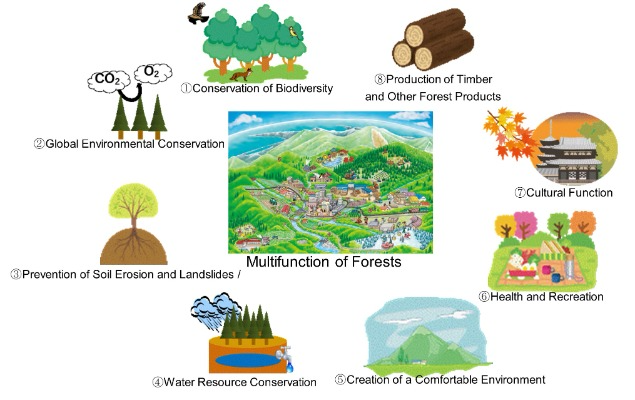
Recent Topics on Biodiversity
As defined in the Basic Act on Biodiversity, biodiversity refers to the existence of various ecosystems and the wide range of differences both among and within species. Ecosystem diversity is composed of species diversity (differences among species), which in turn is supported by genetic diversity (differences within species). These 3 hierarchical levels are all interconnected, in the sentense that maintaining ecosystem diversity provides habitats for different species and populations, thus helping to preserve diversity at both the species and genetic levels.
Alongside the mitigation of climate change, the conservation of biodiversity is now recognized as one of the most critical issues in creating a sustainable socio-economic system for the present and future generations. Strengthening our efforts is an urgent priority.
At the 15th Conference of the Parties to the Convention on Biological Diversity (COP15) in December 2022, the Kunming-Montreal Global Biodiversity Framework was adopted. This framework sets out the mission of the "Nature Positive", calling for urgent action by 2030 to halt and reverse biodiversity loss and put biodiversity on a path to recovery. It also sets key targets such as the "30 by 30" that aims to conserve at least 30% of land and sea areas through protected areas and OECMs*, as well as the target for the sustainable management of agricultural, forestry, and fishing areas.
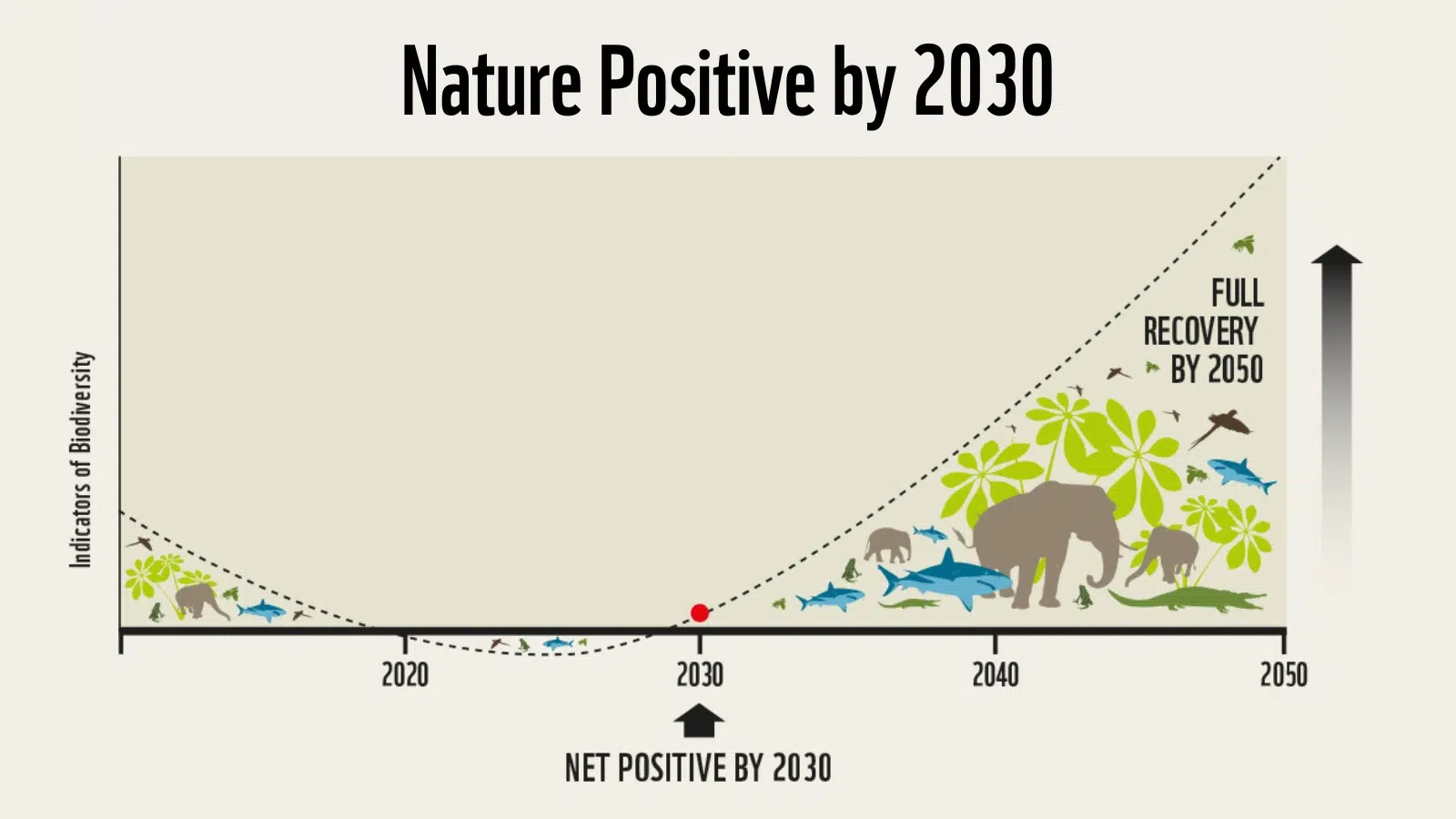 |
| Figure 1: The Nature Positive Trajectory to 2030 Source:www.naturepositive.org |
Japan is rich in biodiversity, and its forests play the most significant role as the reservoir of terrestrial species. It is therefore essential that we maintain all forests in a healthy condition and manage them properly as "green social capital" to support our socio-economic environment.
In line with the Forest and Forestry Basic Act, the Forestry Agency is mandated to take a range of measures to create varied types of forest over time and in landscape so that forests can serve as habitats for diverse species.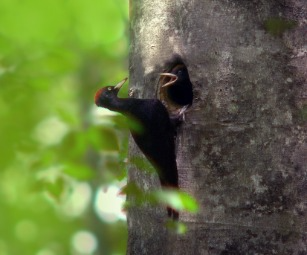
*OECM:Other Effective area-based Conservation Measures
Forest Planning System
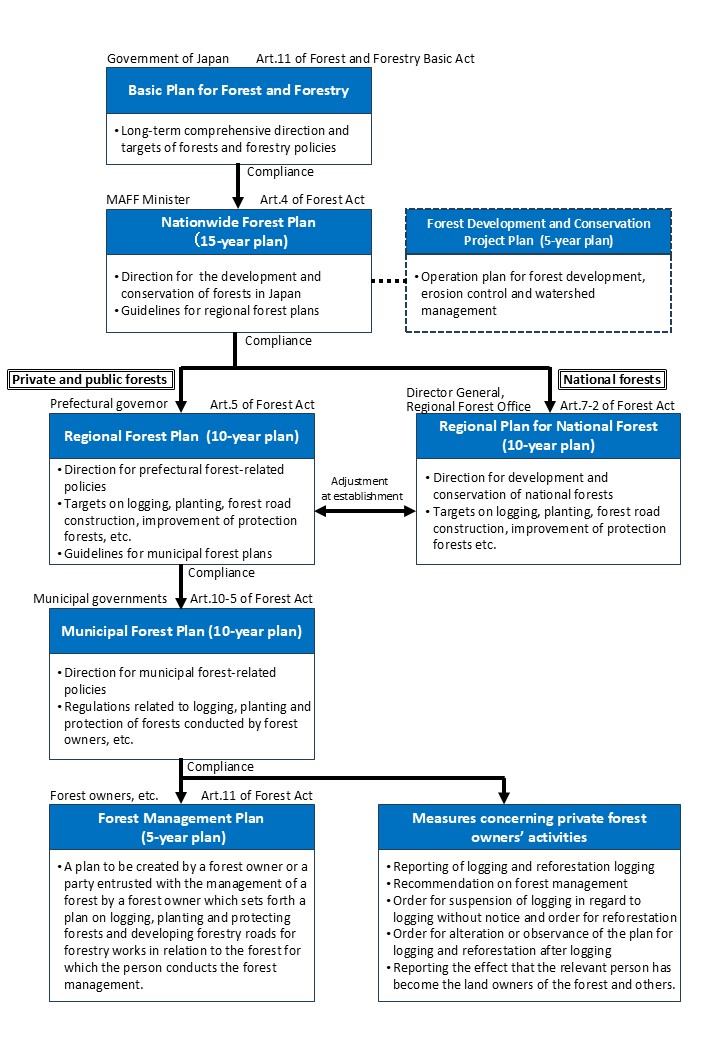 |
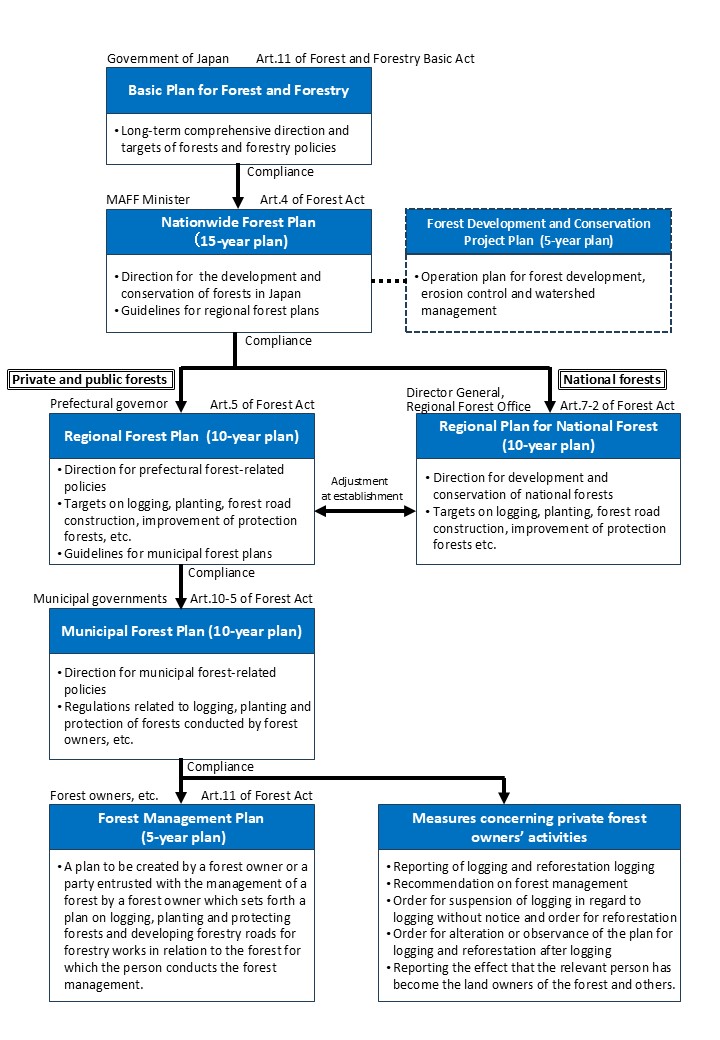
The Forest Planning System is designed under the Forest Act to ensure planned and appropriate forest management from a long-term perspective. |
| Structure of Forest Planning System (190KB) |
The Current State of Japan's Forests
With forests covering two-thirds of its land, Japan boasts one of the highest forest coverage rates in OECD countries. This extensive forest land serves as the foundation of the nation's ecological network, playing a crucial role in supporting its rich biodiversity.
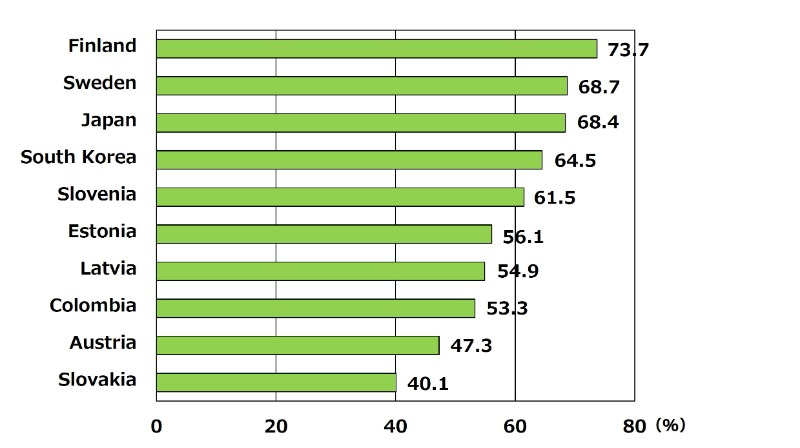 |
| Figure 2: Top 10 OECD Countries as a percentage of total land area, 2020 Calculated from the 37 OECD member countries as of July 2020. Source: Prepared by the Forestry Agency, based on FRA 2020 data. |
The forest area in Japan has remained constant around 25 million hectares for the past more than 70 years.
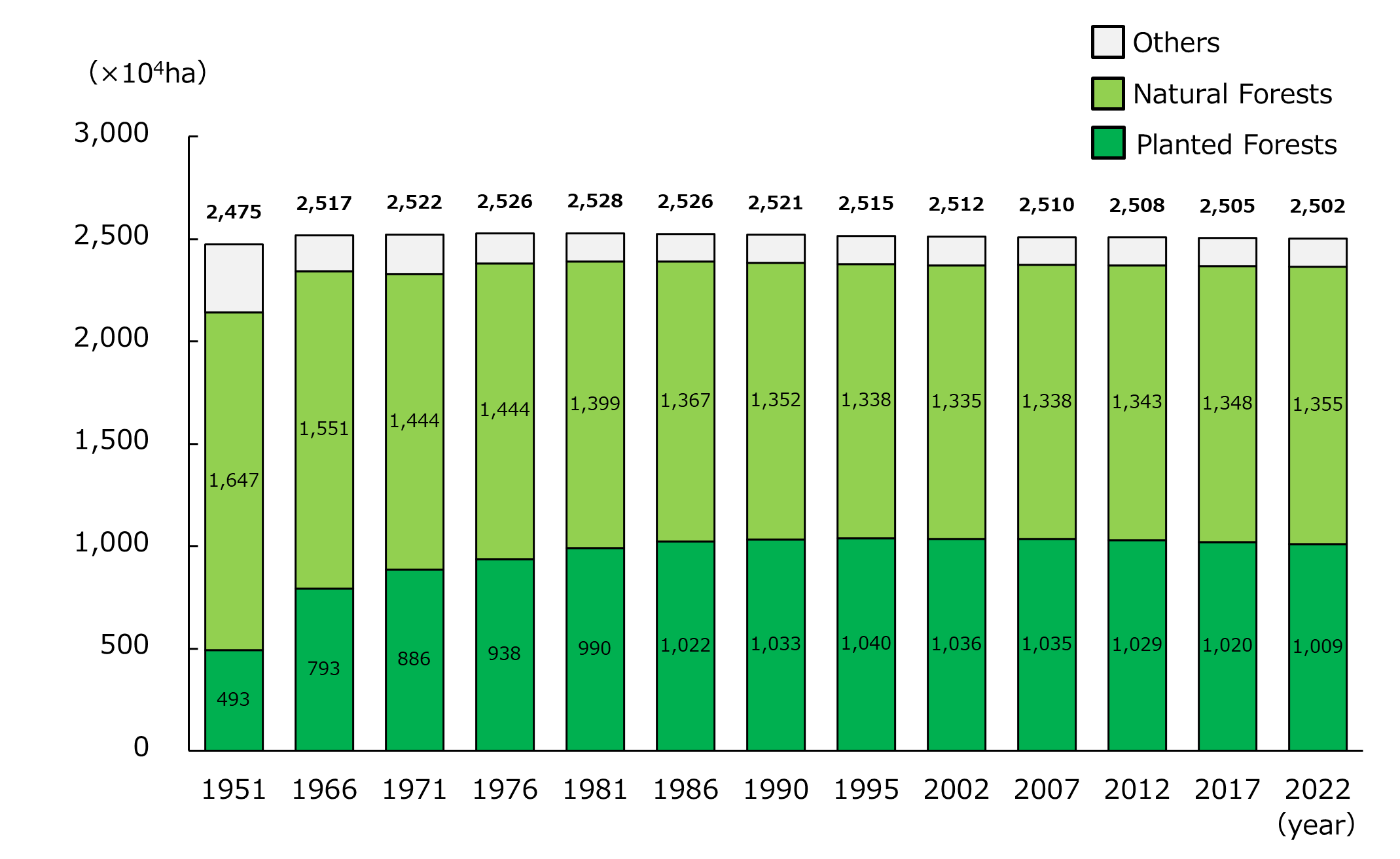 |
| Figure 3: Trends in Japan's Forest Area Source: Statistical Tables of the Ministry of Agriculture and Forestry (for 1951 only) "Current Status of Forest Resources," Forestry Agency |
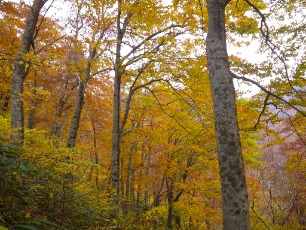
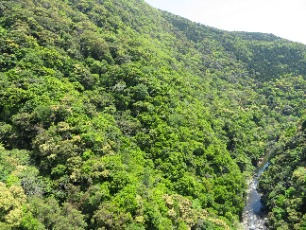
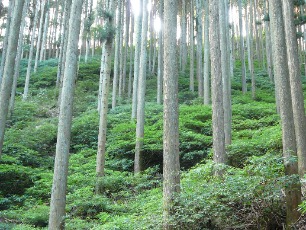
Stretching from north to south with dramatic changes in altitude from coast to mountain, Japan's archipelago encompasses a wide range of climate zones. This diverse geographical conditions along with the unique geological history of Nansei and Ogasawara Islands, has created a wide variety of flora and fauna.
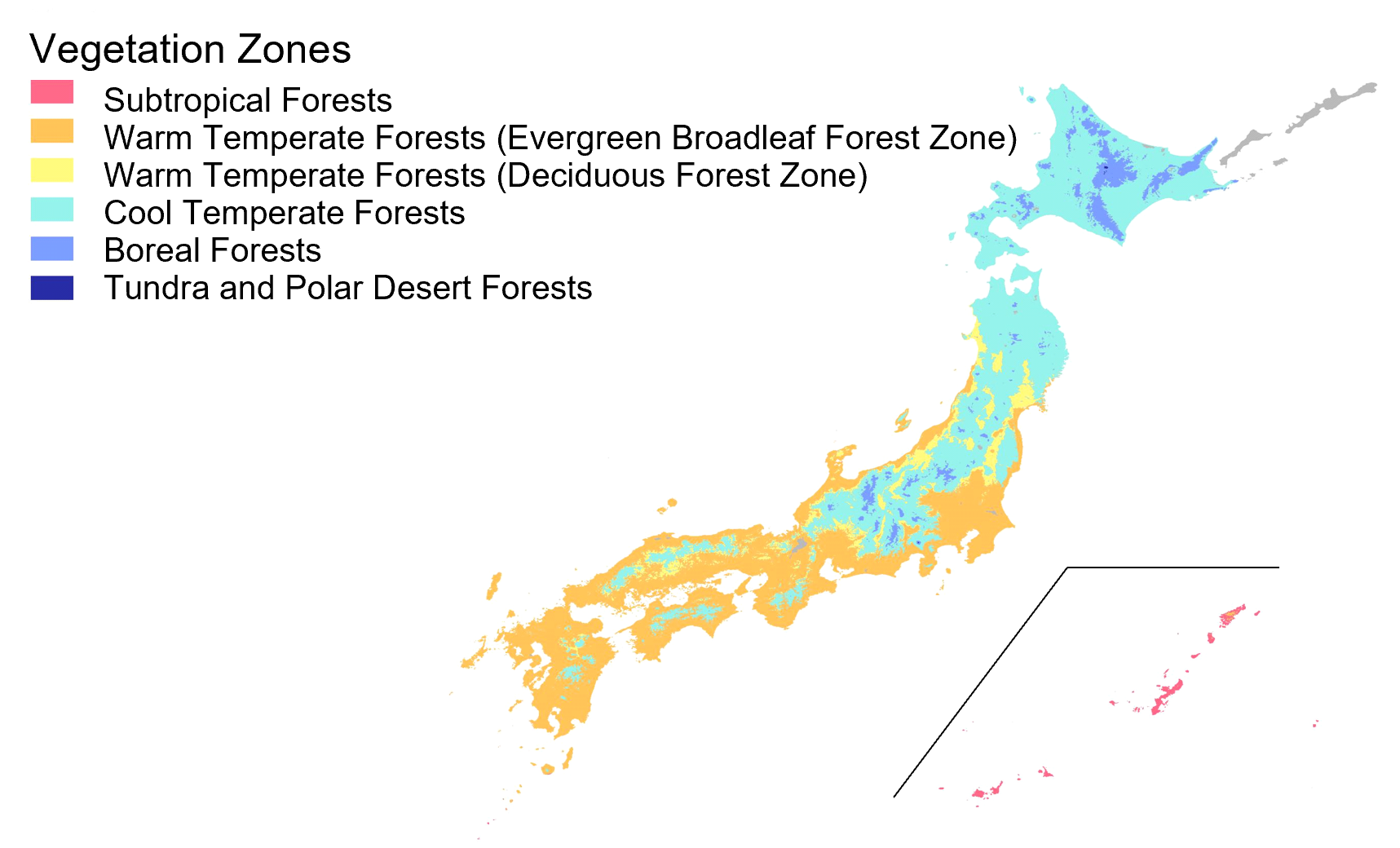 |
| Figure 4: Vegetation zone in Japan Source: Created by Forestry Agency based on Kira's Warmth Index; MLIT, National Land Data |
 |
 |
| Beech Forest (Shirakami-Sanchi, Aomori and Akita) |
Evergreen Broadleaf Forest (Aya, Miyazaki) |
 |
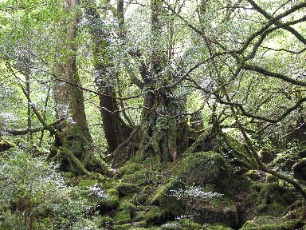 |
| Planted Conifererous Forest | Yakusugi Pristine Forest (Yakushima Island) |
Influenced by climatic conditions such as seasonal winds, as well as unique topography, geology, natural disturbances natural succession, and human activities, Japan's forests are dynamic in nature consisting of diverse forest types, including old-growth natural forests, Satoyama forests and planted forests. The mosaic landscape patterns created by the combination of the strict protection of natural forests and the promotion of sustainable management in secondary forests including planted forests play essential role in providing habitats for a wide array of living organisms.
Protected Forests and Green Corridors
The Forestry Agency strictly protects and manages National Forests with pristine natural conditions, endemic sub-populations and habitats for rare wildlife species by designating them as Protected Forests, as well as those within the Natural World Heritage sites, in cooperation with related organizations.
In addition, the Forestry Agency has established Green Corridors to connect Protected Forests and their surroundings areas as the core of forest ecosystem networks to ensure wildlife corridors.
Guidelines for Forestry Management to Enhance Forest Biodiversity
In December 2023, the Forestry Agency established the "Study Group on Forest Management Contributing to Biodiversity Conservation." With the objective of compiling existing knowledge and practical examples of forest management compatible with biodiversity conservation and discussing how forestry management can enhance forest biodiversity.
After a series of discussion, the study group developed the "Guidelines for Forestry Management to Enhance Forest Biodiversity" in March 2024. This guideline outlines good management approaches to enhance biodiversity in production forests for practitioners.
(Key Contents of the Guideline)
The guidelines;
- makes it clear that forestry production activities themselves can contribute to the provision of many ecosystem services, while creating new revenue opportunities for forestry operators through collaboration with private companies with interests in biodiversity conservation.
- outlines key challenges in enhancing biodiversity, including effective forest management techniques, socio-economic issues, and methodologies for evaluating activities.
- presents good practicies such as area-based management, close-to-nature silvicultural methods, risk mitigation measures against pests and wildlife, and the maintenance of satoyama forests.
- recommends that incorporating an adaptive management through PDCA (Plan-Do-Check-Act) cycle into Forest Management Plans. This involves setting specific goals for activities, monitoring both activities and forest conditions to ensure continuous improvement.
- Guidelines for Forestry Management to Enhance Forest Biodiversity (FY2025) - Main Report (PDF : 526KB)
- Guidelines for Forestry Management to Enhance Forest Biodiversity (FY2025) - Case Study (PDF : 8,736KB) *Available in Japanese only
- Gudelines for Logging and Carrying-out during Regeneration-harvesting (PDF : 145KB)"
 |
 |
 |
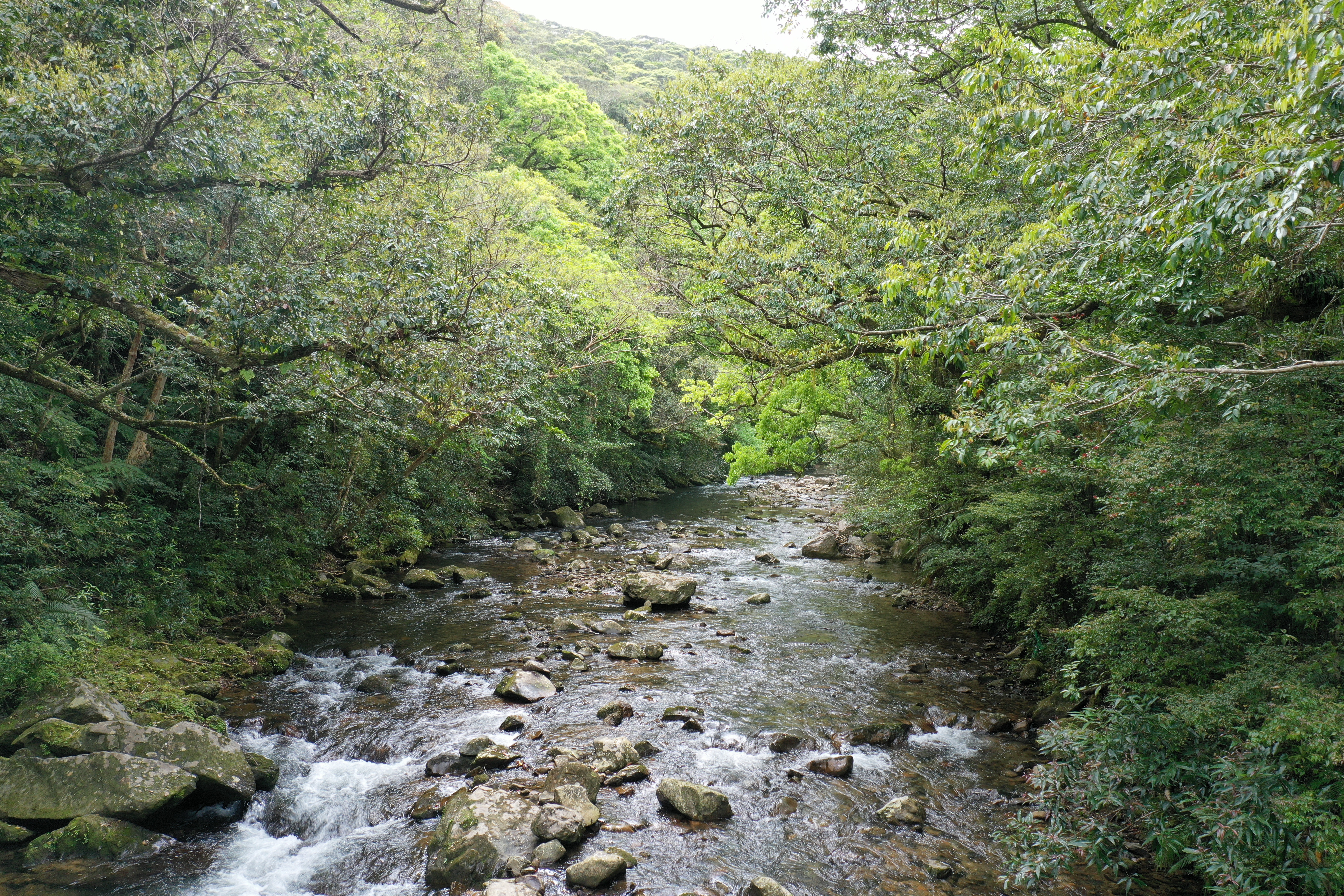
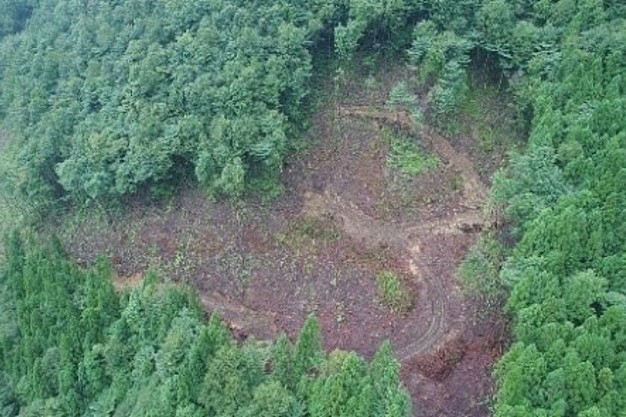
| Conserving riparian forests | Creating hunting grounds for birds of prey |
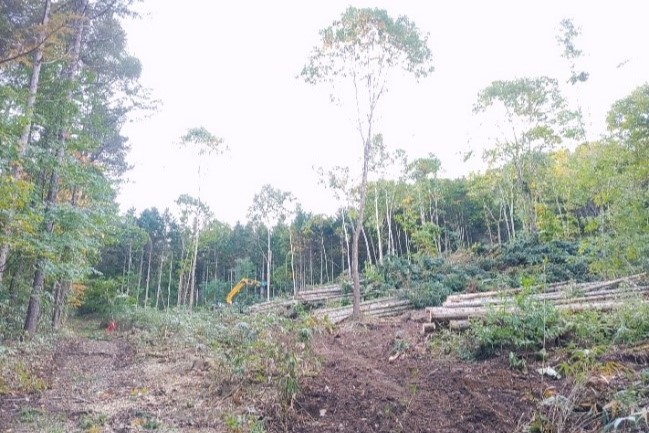
Retaining naturally occuring broadleaf trees during final felling |
Guidance on TNFD-aligned Disclosures for Forests
To support companies in disclosing nature-related financial information concerning forests, the Forestry Agency established a study group in December 2024. This led to the development of the "Guidance for Companies on Nature-related Financial Disclosures concerning the Multiple Functions of Forests" ("Guidance on TNFD-aligned Disclosures for Forests").
This guidance applies the "LEAP approach" recommended by TNFD and provides examples of how companies can analyze and evaluate the relationships between their business activities and their impact and dependence on the multiple functions of forests. It includes practical examples of analytical methods, disclosure items, and indicators.
Case Study Collection introduces leading examples of TNFD-aligned disclosures by companies engaged in timber use, groundwater extraction, forest management and conservation initiatives.
Materials and summaries of the first to third study group meetings [English version not available]
- Guidance on TNFD-aligned Disclosure for Forests (FY2025) - Main Report (PDF : 3,681KB)
- Guidance on TNFD Disclosures for Forests (FY2025) – Case Study (PDF: 4,155 KB) *Available in Japanese only
Contact
Forest Multiple Use and Conservation Division, Private Forest Department, Forestry Agency
1-2-1 Kasumigaseki, Chiyoda-ku, Tokyo 100-8950, Japan
Some of the publications on this site are in PDF.
To view them you will need to have Adobe Reader.
Please download Adobe Reader.